
How to Renovate an Older Home Without Losing Its Character
Achieving a harmonious balance between historic preservation and contemporary daily convenience requires careful planning and specialized construction knowledge. Working alongside experienced home remodeling contractors allows property owners to evaluate what makes a home truly special before any physical alterations begin. An expert team evaluates structural elements, period-appropriate woodwork, and architectural focal points, ensuring that the defining spirit of the residence remains intact throughout modern updates. Rather than stripping away the past in favor of temporary trends, thoughtful modernization enhances the livability of vintage spaces while celebrating their enduring historical character.
Assessing the Original Features of the Structure
Cataloging Significant Elements
Before swinging a hammer or removing walls, a thoughtful walkthrough helps identify historic details worth saving. Key components often include original interior doors, solid brass hardware, ceiling medallions, wide-plank flooring, and ornate baseboards. Experienced home remodeling contractors often suggest taking photographic inventories of every room. This documentation process highlights items that can be restored on site, items that can be carefully salvaged for reuse in other parts of the house, and areas that require gentle intervention.
Taking the time to catalog these architectural assets ensures that irreplaceable elements are not discarded carelessly during the excitement of modern improvements. Historic trim, vintage pocket doors, and decorative window casings can often be refurbished to their previous splendor through patient stripping and refinishing. Furthermore, documenting these items allows construction teams to create protective storage plans so delicate vintage components remain fully safeguarded while heavier structural phases occur nearby.
Evaluating Structural Integrity
Beneath historic beauty lies the physical framework of the building, which may have shifted, settled, or suffered moisture intrusion over many decades. Plaster walls can crack, floor joists may show deflection, and older foundations require careful inspection. Partnering with seasoned home remodeling contractors helps ensure that necessary stabilization happens quietly behind finished surfaces, protecting decorative woodwork and fragile finishes from unintended structural stress during construction.
Addressing these foundational and framing elements early in the timeline prevents costly disruptions further along in the process. Leveling sagging floors, reinforcing aged roof rafters, and stabilizing load-bearing brick masonry create a secure, plumb canvas upon which modern finishes can be placed. When structural upgrades are managed with care, the structural envelope gains decades of renewed durability without sacrificing the exterior proportions or interior room geometry that define the residence.
Balancing Historical Charm With Contemporary Needs
Updating Kitchen Spaces
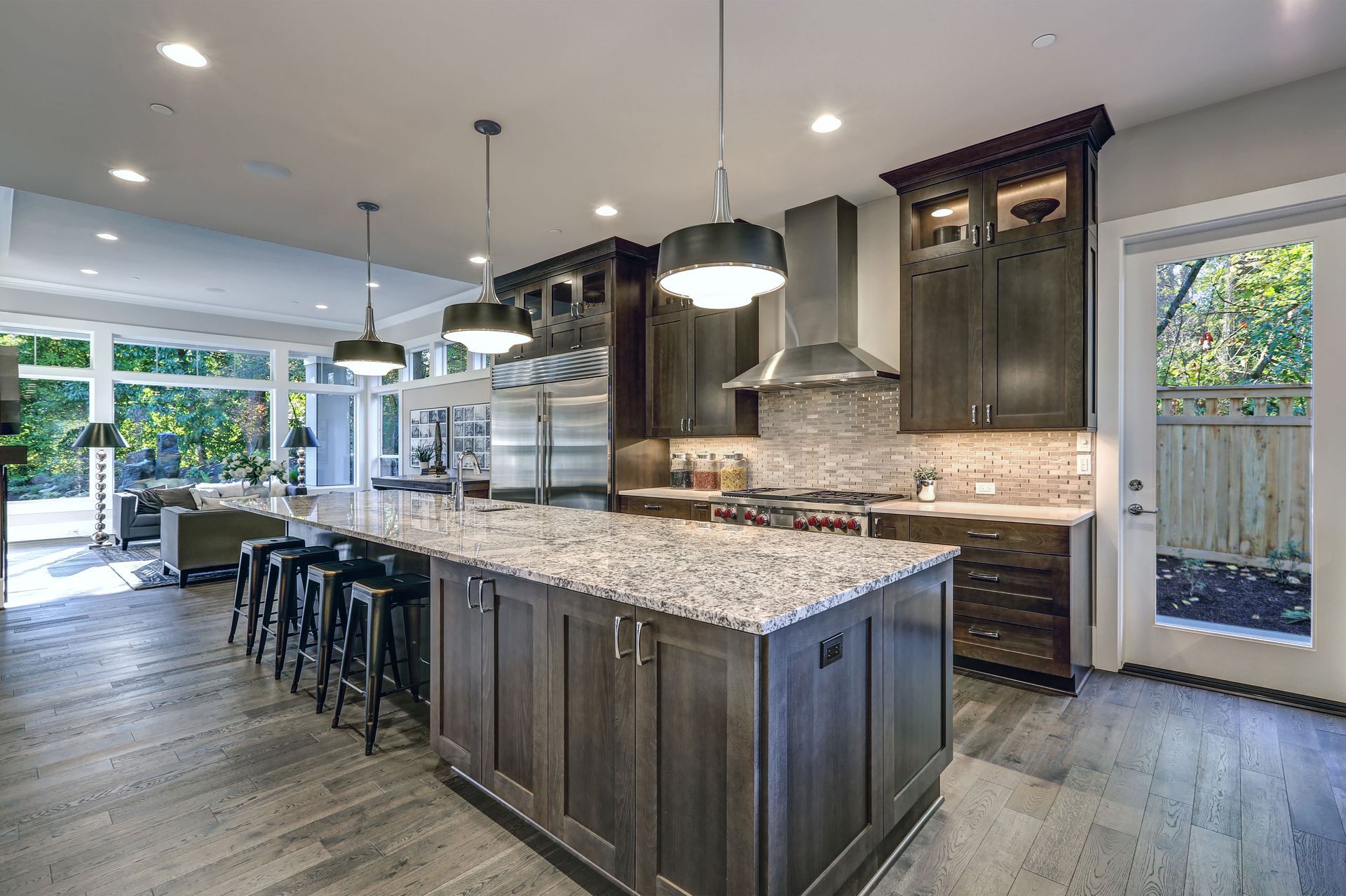
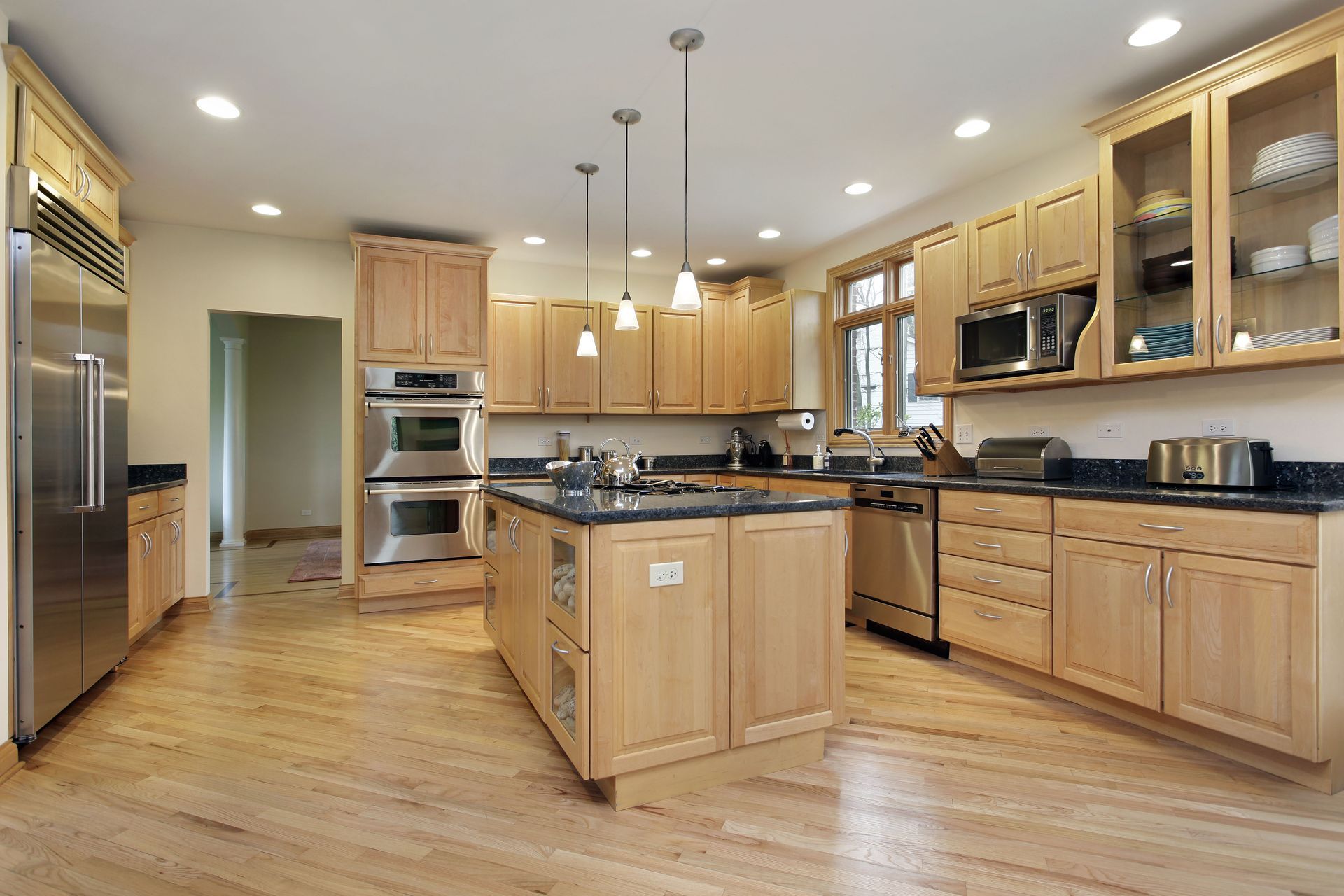
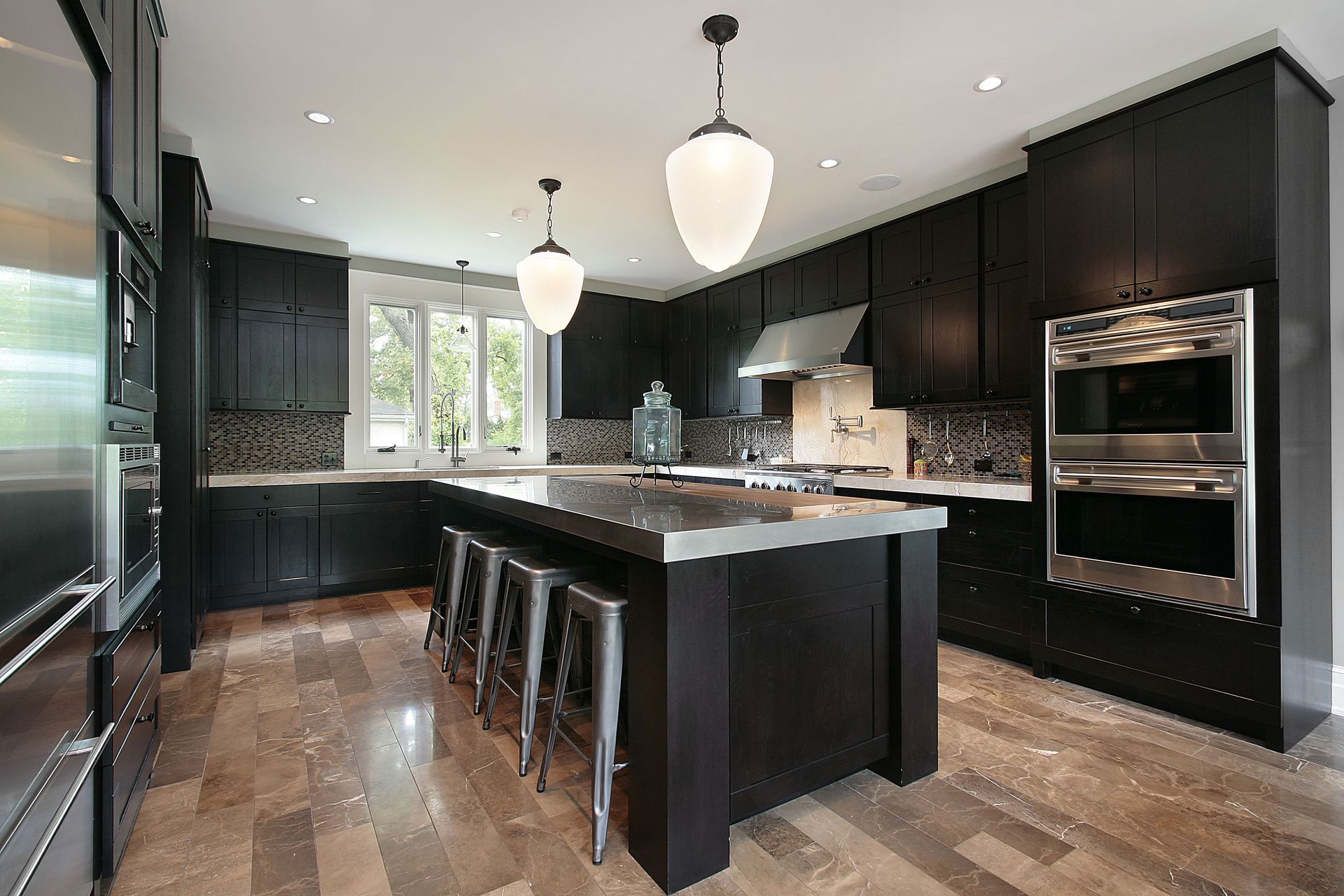
Kitchen spaces in older residences were traditionally closed off from living areas and built strictly for utilitarian meal preparation rather than family gatherings. Expanding or updating these rooms without erasing historic context is a delicate process. Homeowners frequently introduce customized cabinetry featuring classic inset door profiles, natural stone countertops, and paneled appliances that blend smoothly into historic architecture. According to This Old House, approximately half of all residential renovation endeavors are motivated by a desire to enhance aesthetic appeal. In older homes, this visual enhancement works best when modern luxury complements original room proportions and complementary finishes rather than imposing an entirely disconnected aesthetic.
Opening an older kitchen to adjacent living areas requires a sensitive hand to avoid disrupting the room flow typical of vintage residences. Instead of tearing down every interior partition, wide cased openings framed with matching trim profiles can connect spaces while clearly delineating individual rooms. This technique provides the sightlines and natural illumination favored by modern living while keeping the architectural logic of the house intact.
Transforming Bathroom Layouts
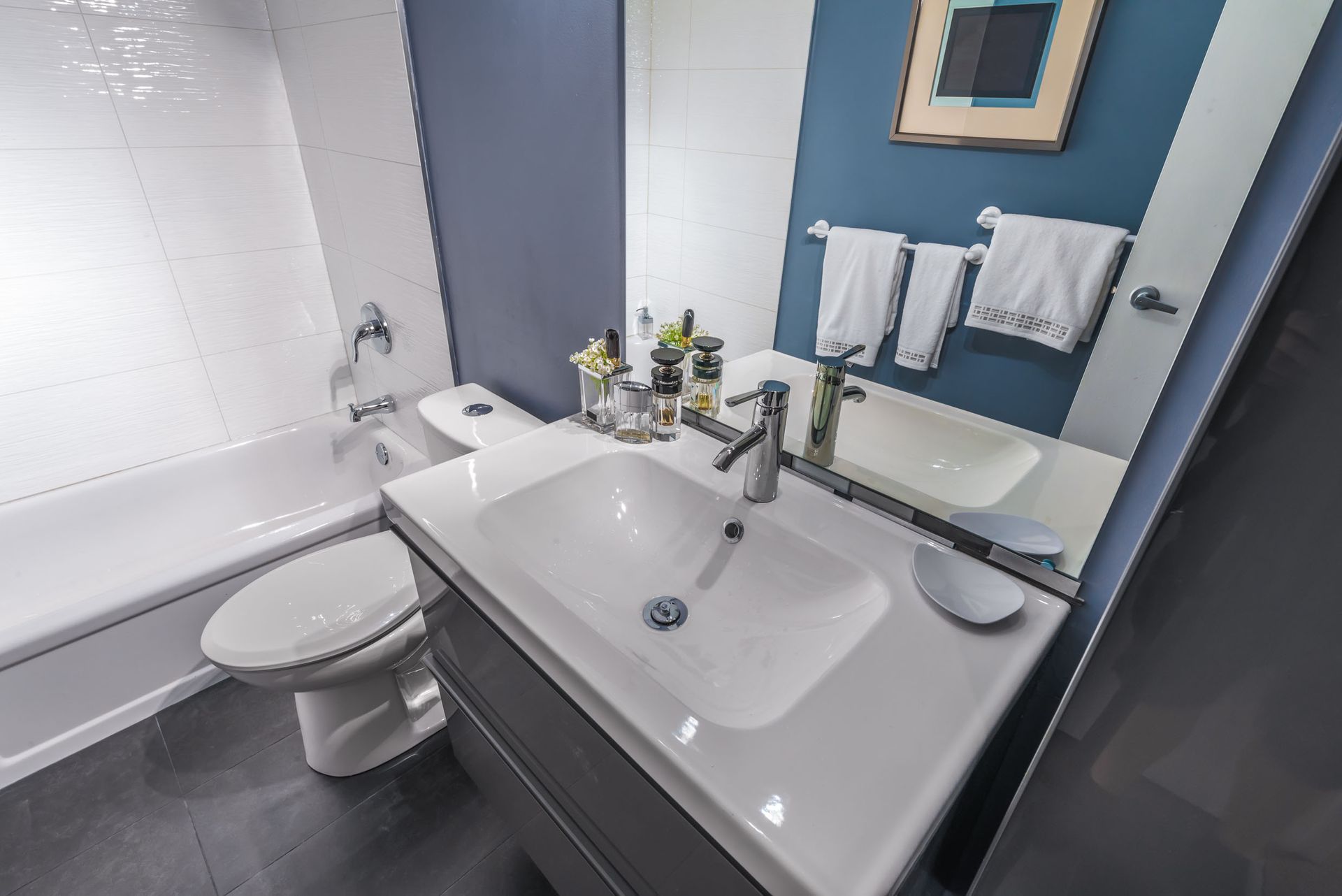
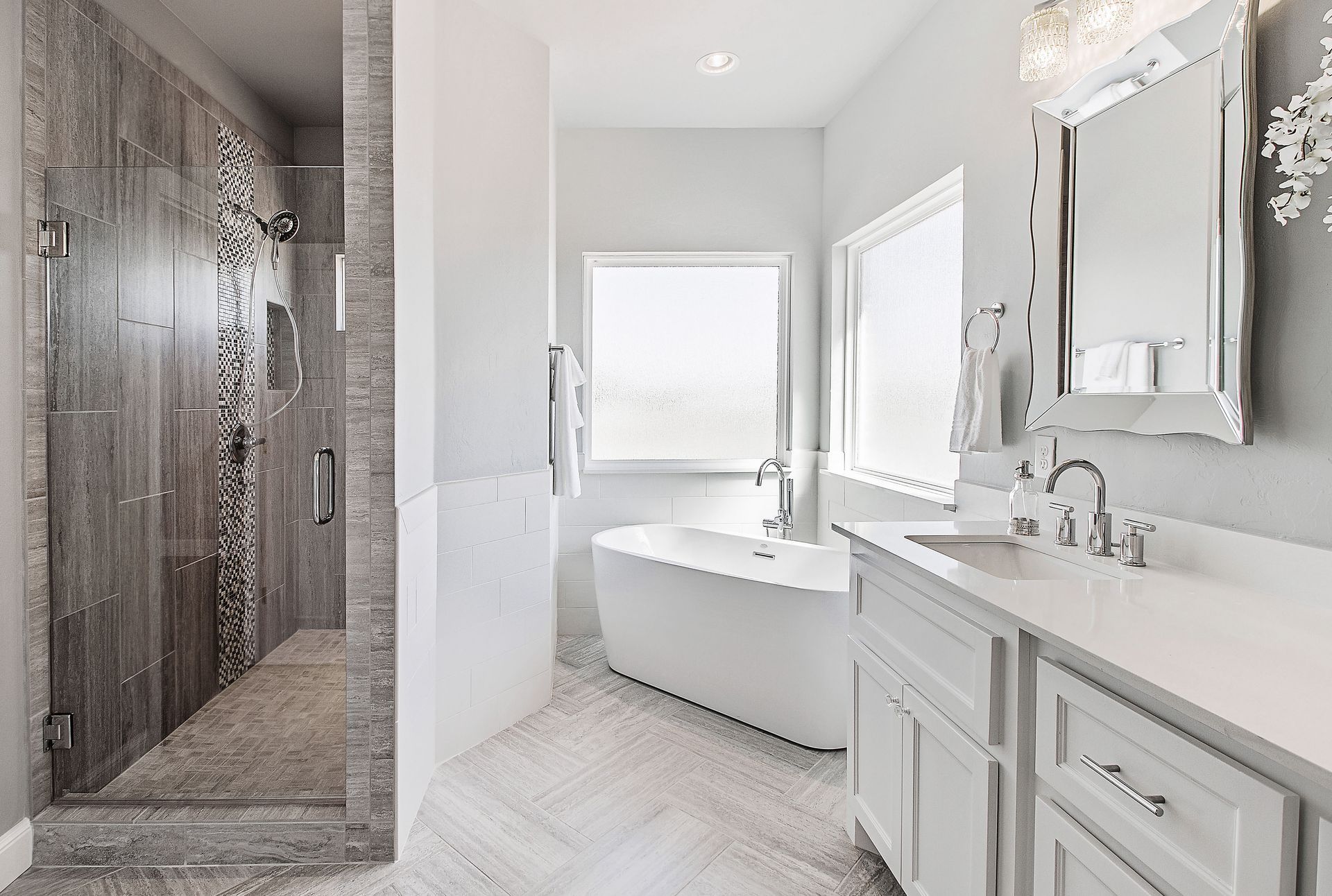
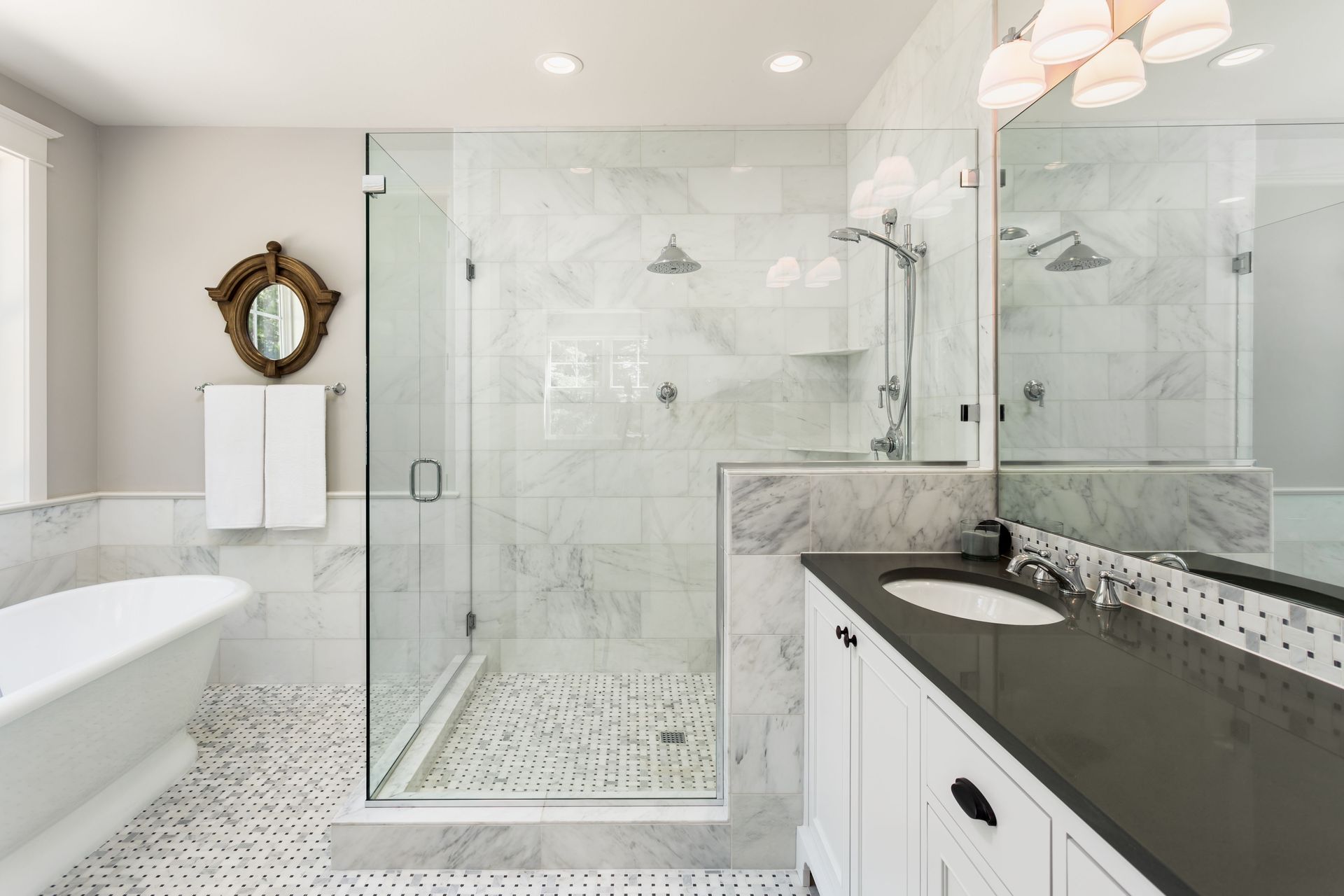
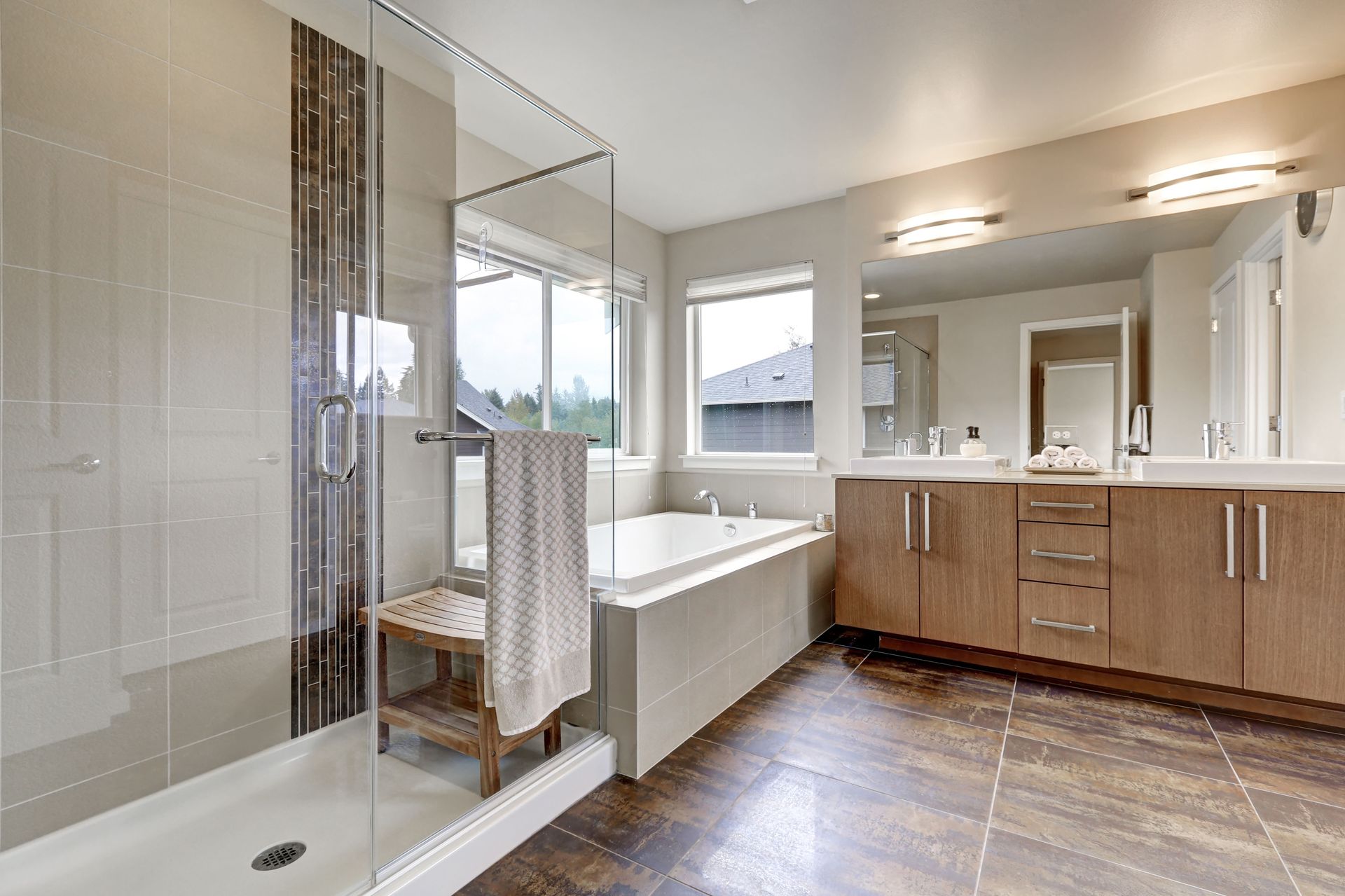
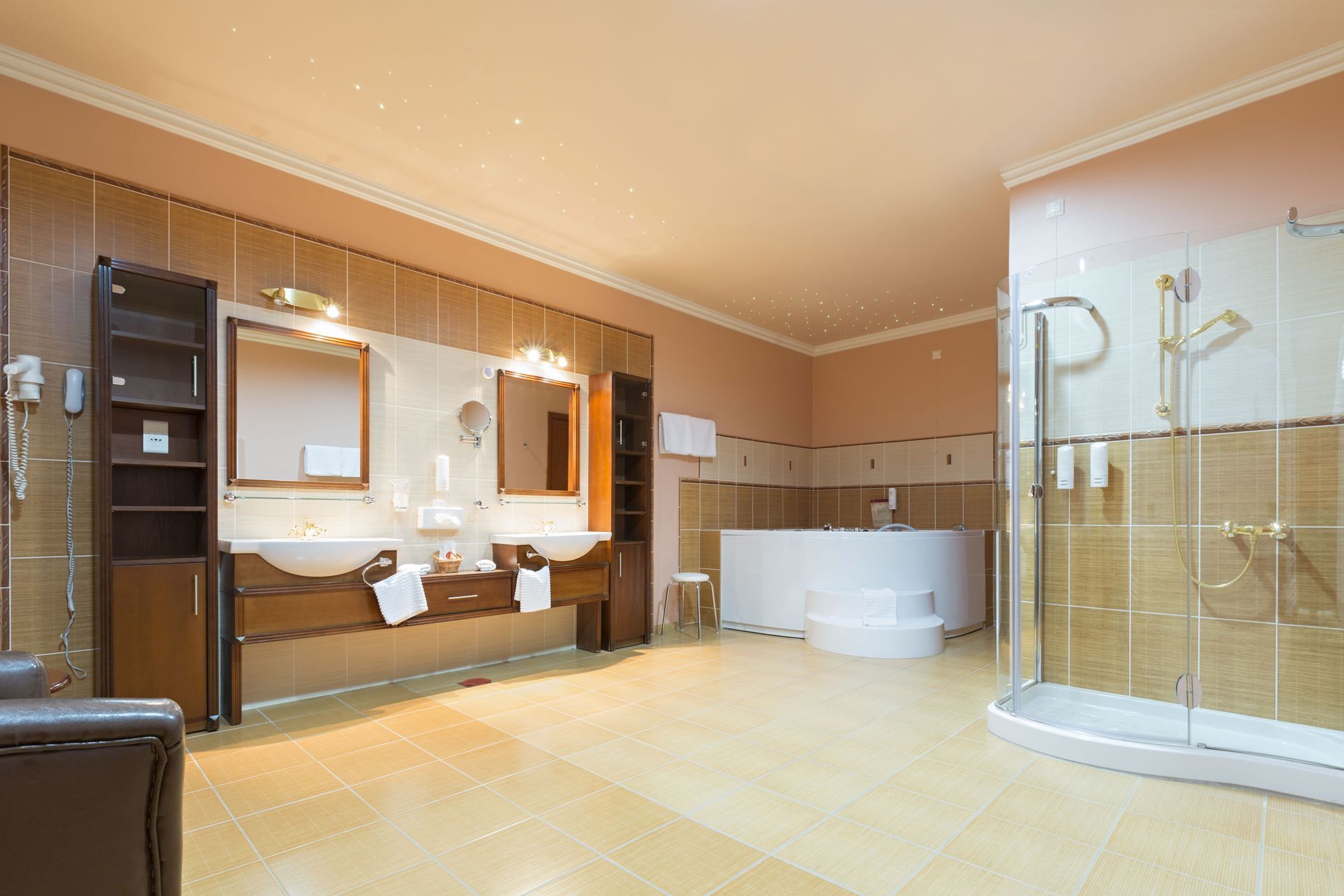
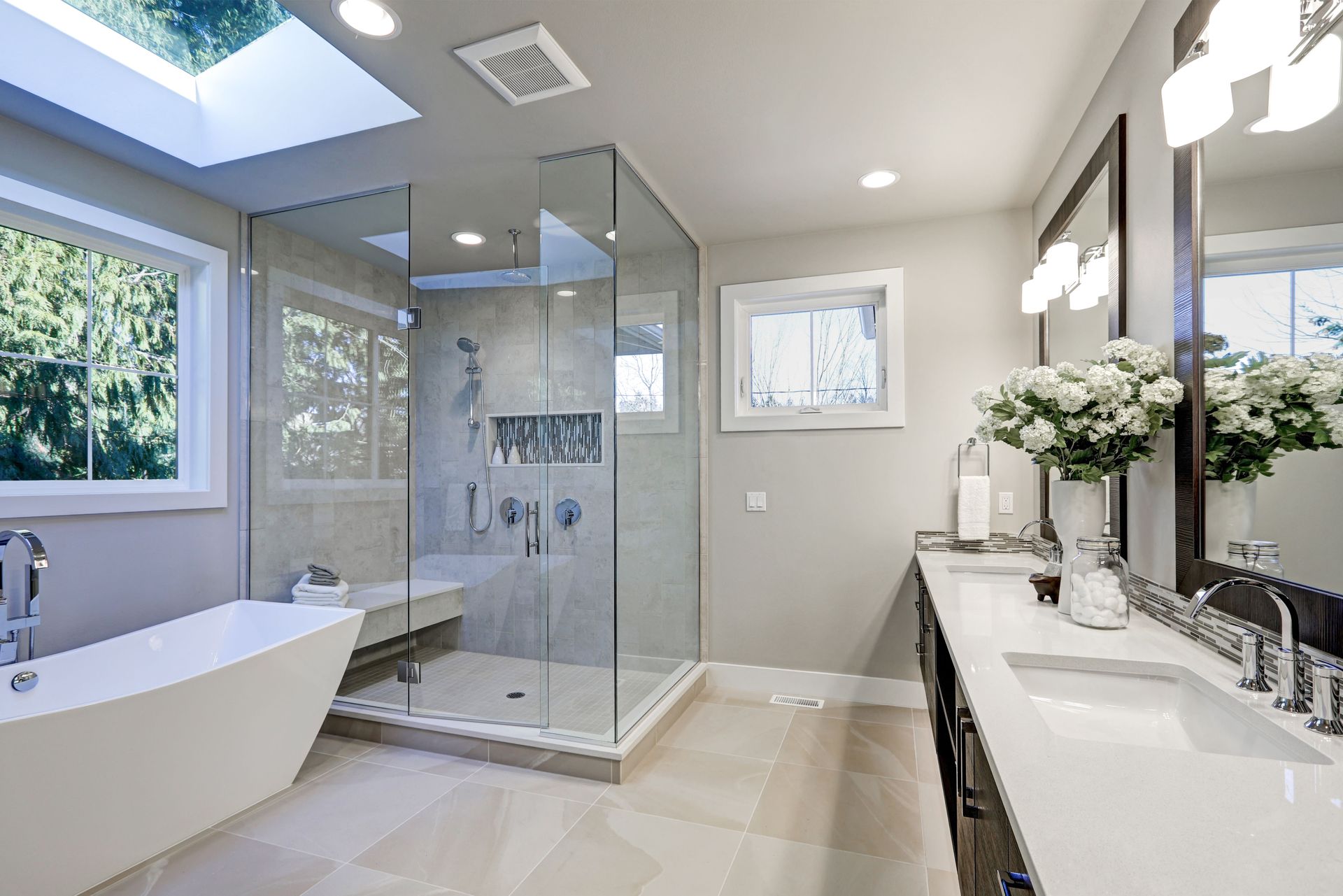
Historic bathrooms often present compact footprints, aging plumbing stacks, and outdated tile installations. When modernizing these spaces, skilled home remodeling contractors can configure functional floor plans that incorporate walk-in showers, freestanding soaking tubs, and dual vanities while maintaining architectural integrity. Period-inspired materials such as marble hexagonal floor tile, traditional wainscoting, and classic fixtures allow a bathroom to deliver modern performance without looking out of place alongside historic adjoining hallways.
Ventilation and plumbing infrastructure also demand careful execution during historic bathroom updates. Older walls rarely feature standard stud spacing, and routing modern supply lines and vent pipes requires precision to avoid cutting into structural floor framing or historic plaster below. By carefully concealing modern mechanical elements inside custom utility chases or vanity cabinetry, the renovated bathroom gains contemporary comfort and efficiency while honoring vintage proportions.
Blending Architectural Elements Through Custom Millwork
Replicating Period Moldings
One of the quickest ways a renovation loses historical authenticity is through the installation of generic, narrow trim profiles found in standard modern construction. Older homes frequently feature multi-piece crown moldings, tall baseboards, and intricate door casings. When existing walls are reconfigured or damaged sections must be removed, custom millwork can replicate existing profiles with exact accuracy. Professional home remodeling contractors can source matching wood species and have specialized knives milled to duplicate historic profiles, creating an invisible transition between preserved vintage surfaces and newly framed partitions.
The scale of interior moldings was historically matched to the height of the ceilings, creating a sense of proportion that feels balanced and grounded. Installing undersized modern baseboards or crown molding disrupts this relationship and detracts from the character of the space. By measuring existing profiles carefully and commissioning custom woodwork, homeowners maintain the visual weight and elegance that the original carpenters intended for every hallway and gathering room.
Incorporating Modern Technology and Structural Additions
Integrating Invisible Home Automation
Bringing smart home technology into an older structure should enhance convenience without compromising historical aesthetics. Recessed lighting, touch panels, automated shading, and whole-house sound systems can be woven into the fabric of an older home with thoughtful planning. Concealing wiring within floor cavities, choosing subdued architectural keypad designs, and installing centralized equipment racks in secondary spaces allow modern technology to serve daily routines while historic architecture remains front and center.
Climate control also presents unique challenges in residences built long before modern heating and cooling existed. Ductwork can easily damage architectural details if routed indiscriminately through decorative ceilings or original closets. Skilled installation teams utilize compact duct systems, discreet floor registers, and strategically located air handlers to ensure steady comfort throughout every season without intruding upon the classic visual atmosphere of the home.
Designing Seamless Home Additions
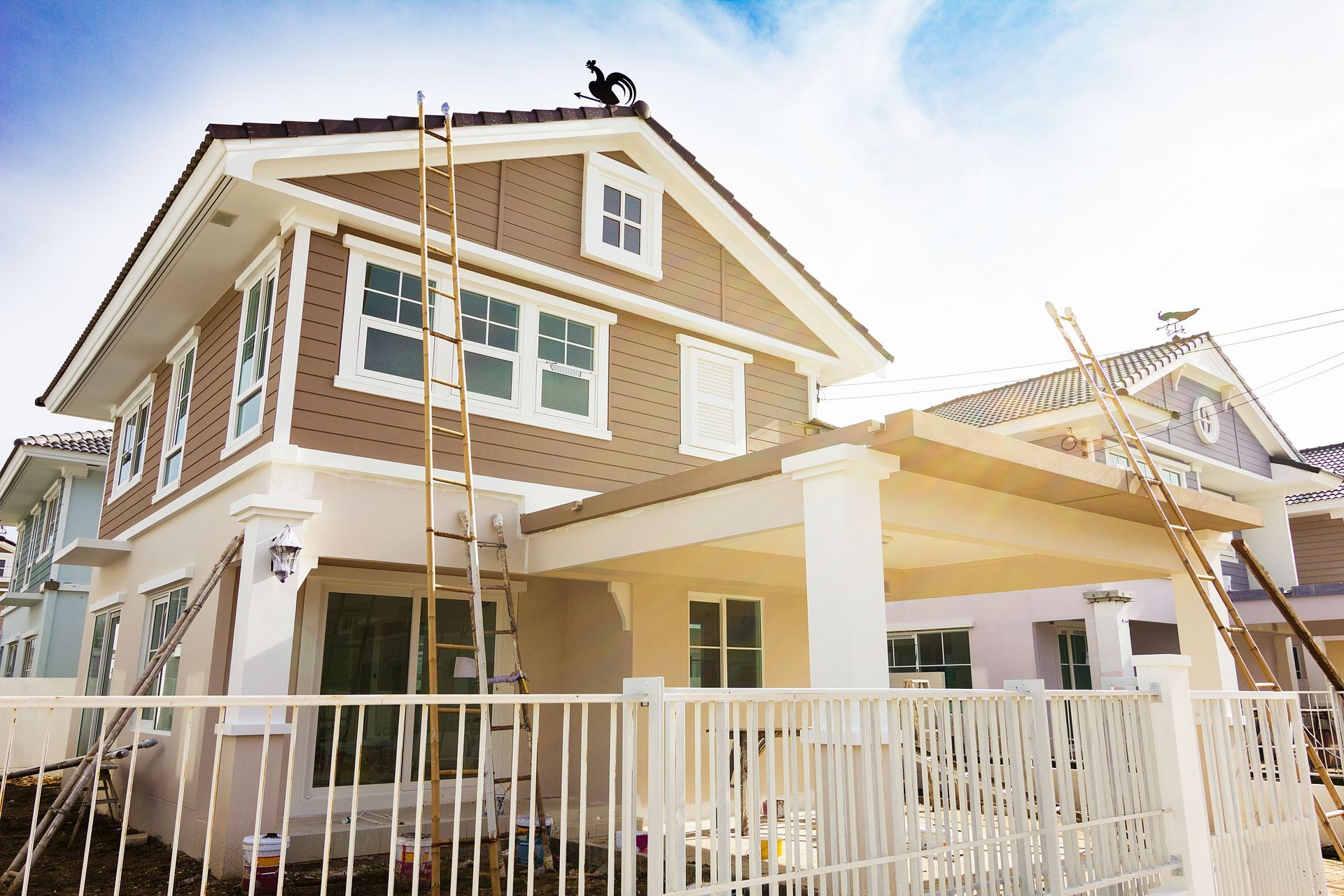
When expanding the footprint of a historic residence, the exterior transition is just as important as the interior flow. An addition should respect the scale, roofline, window spacing, and exterior cladding of the original structure. Knowledgeable home remodeling contractors ensure that foundation materials, exterior siding, and roof materials either match the original structure or provide an architecturally sympathetic contrast. Inside, door heights, trim profiles, and floor levels must align precisely to preserve spatial continuity from the original rooms into the new living space.
Window selection plays a massive role in uniting an addition with the existing house. Modern windows can be custom-built with historically accurate divided-lite patterns, exterior casing profiles, and proper sill dimensions. Matching these fenestration details ensures that the exterior massing of the addition feels natural from the street, preventing the new wing from looking like an afterthought tacked onto an antique home.
Selecting Finishes That Honor Historic Context
Restoring Original Flooring
Historic hardwood flooring—whether heart pine, quartersawn white oak, or historic parquet—is often irreplaceable due to the old-growth timber used in its manufacturing. Skilled
home remodeling contractors prioritize repairing, weaving in matching salvaged timber, and refinishing existing planks with protective, low-sheen sealants rather than covering them up. Where new flooring is necessary, sourcing matching widths, grain patterns, and installation styles maintains architectural harmony throughout consecutive living spaces.
Careful sanding techniques are crucial when working with aged boards to avoid stripping away the warm patina accumulated over generations. Using natural penetrating oils or satin polyurethanes enhances the unique grain while providing durability against modern foot traffic and household pets. When handled with expert care, restored flooring acts as a visual anchor that ties together every updated room in the home.
Renovating an older home is a collaborative journey that honors the past while building functional comfort for the future. Preserving hand-crafted woodwork, historic room flows, and distinctive exterior lines requires patience, design discipline, and refined craftsmanship. By taking time to understand the unique architectural language of an older residence, homeowners can introduce modern amenities, efficient layouts, and advanced technology without diminishing the character of the property. When you are prepared to adapt your historic property for modern living while protecting its architectural legacy, the experienced team at Radical Renovations is ready to help you plan and complete your upcoming project.
Share On: