
Design Strategies for Homes with Tight Bath Layouts
Exploring innovative solutions and expert tips helps homeowners make the most out of small bathroom spaces without sacrificing personal style or daily functionality. Designing within a limited footprint poses distinct structural challenges, yet strategic planning readily maximizes utility and interior aesthetics. From integrating multi-functional hardware to adopting minimalist visual trends, optimizing a small bath significantly elevates everyday living. Tackling spatial limits involves balancing creativity with practical engineering, ensuring every square foot serves a clear purpose. Homeowners can readily turn tight floor plans into functional, serene sanctuaries.
Installing Multi-Functional Fixtures
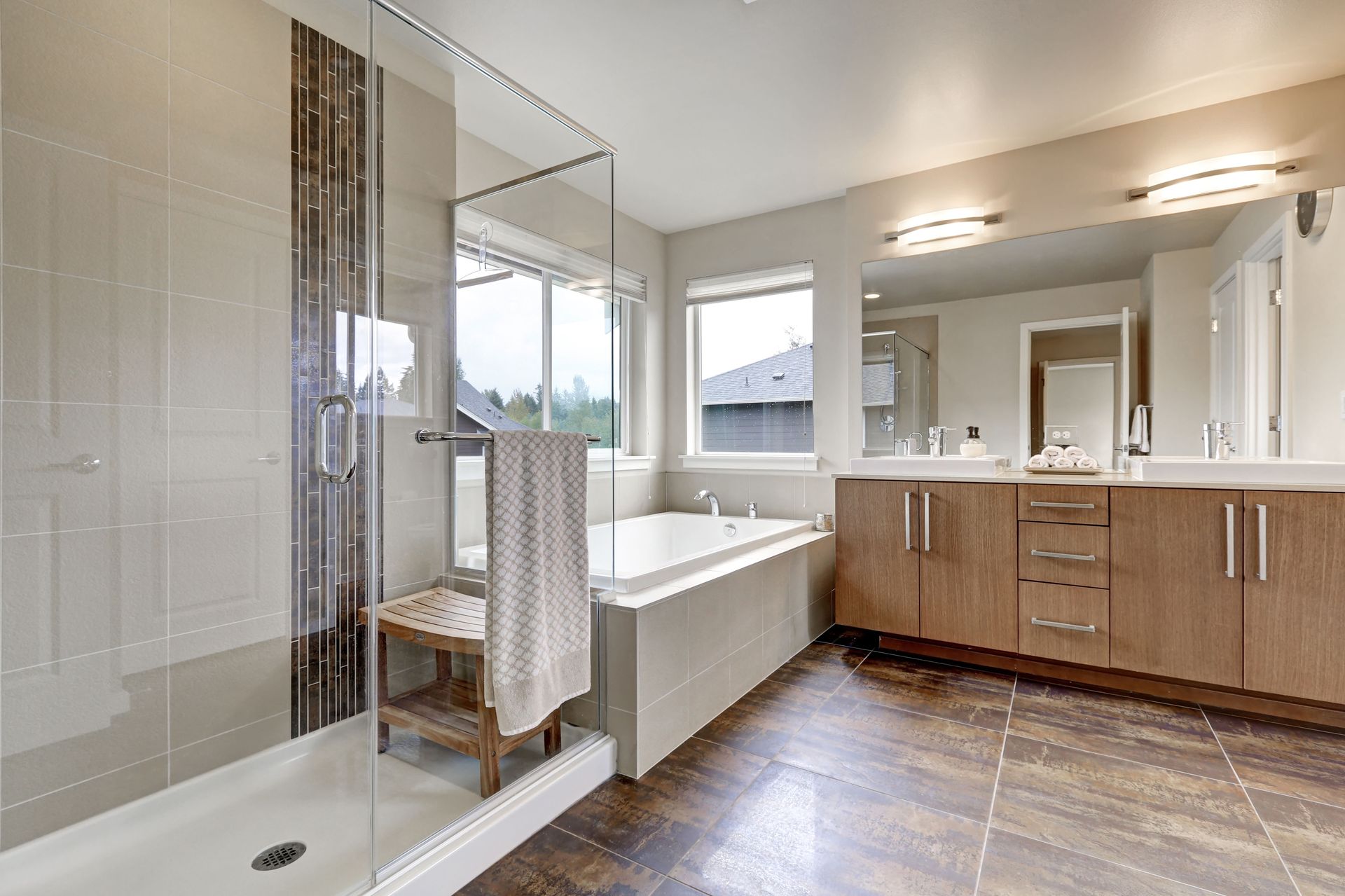
Multi-functional fixtures serve as indispensable assets in tight floor plans. Space-saving vanities with integrated organizers, mirrored medicine cabinets, and combination shower-tubs offer complete flexibility without requiring separate installations. Features like fold-down shower seats and recessed niches further maximize the utility of existing plumbing walls. Working with experienced bathroom remodelers ensures that these complex multi-use pieces fit existing rough-in lines precisely, preventing costly layout reconfigurations while maintaining everyday convenience.
Configuring Intentional Floor Plans
Intentional layout mapping is essential to unlocking the full potential of constrained square footage. Placing primary plumbing fixtures along a single shared wall establishes clean mechanical lines and expands open central floor space. Positioning corner sinks or narrow wall-hung vanities clears long structural walls for unimpeded traffic flow. Professional bathroom remodelers understand how to align drain lines, vents, and clearances to transform restrictive corridors into fully coherent, code-compliant floor plans.
Hanging Space-Saving Interior Doors
Traditional inswing doors consume substantial floor area, restricting movement within modest footprints. Pocket doors and sliding barn assemblies eliminate wide clearance radiuses, reclaiming precious usable square footage. According to House Beautiful, powder rooms are usually between 15 and 30 square feet, underscoring the importance of innovative door solutions. Selecting top-hung sliding hardware delivers an uninterrupted floor transition, creating effortless navigation throughout small powder rooms and guest baths.
Selecting Compact Modern Furniture
Choosing scaled furniture pieces prevents tight rooms from feeling overcrowded. Floating wall-mounted sinks and slender vanities free up sightlines across the floorboards, generating an airy architectural feel. Corner shelving cabinets and shallow-depth pullout drawers provide ergonomic organization without encroaching into necessary standing zones. These balanced furnishings preserve open space while accommodating essential storage and aesthetic preferences.
Applying Strategic Color Schemes
Color palettes profoundly influence sensory perception within compact interiors. Soft, reflective neutrals such as warm off-white, light dove gray, and pale sky blue introduce visual lightness, making perimeter walls appear further apart. Subtle monochromatic palettes establish relaxing atmospheres suited for bathing retreats. Layering energetic colors through vanity hardware, linens, or botanical accents adds warmth without overwhelming restricted visual boundaries.
Selecting Light-Reflecting Wall Surfaces
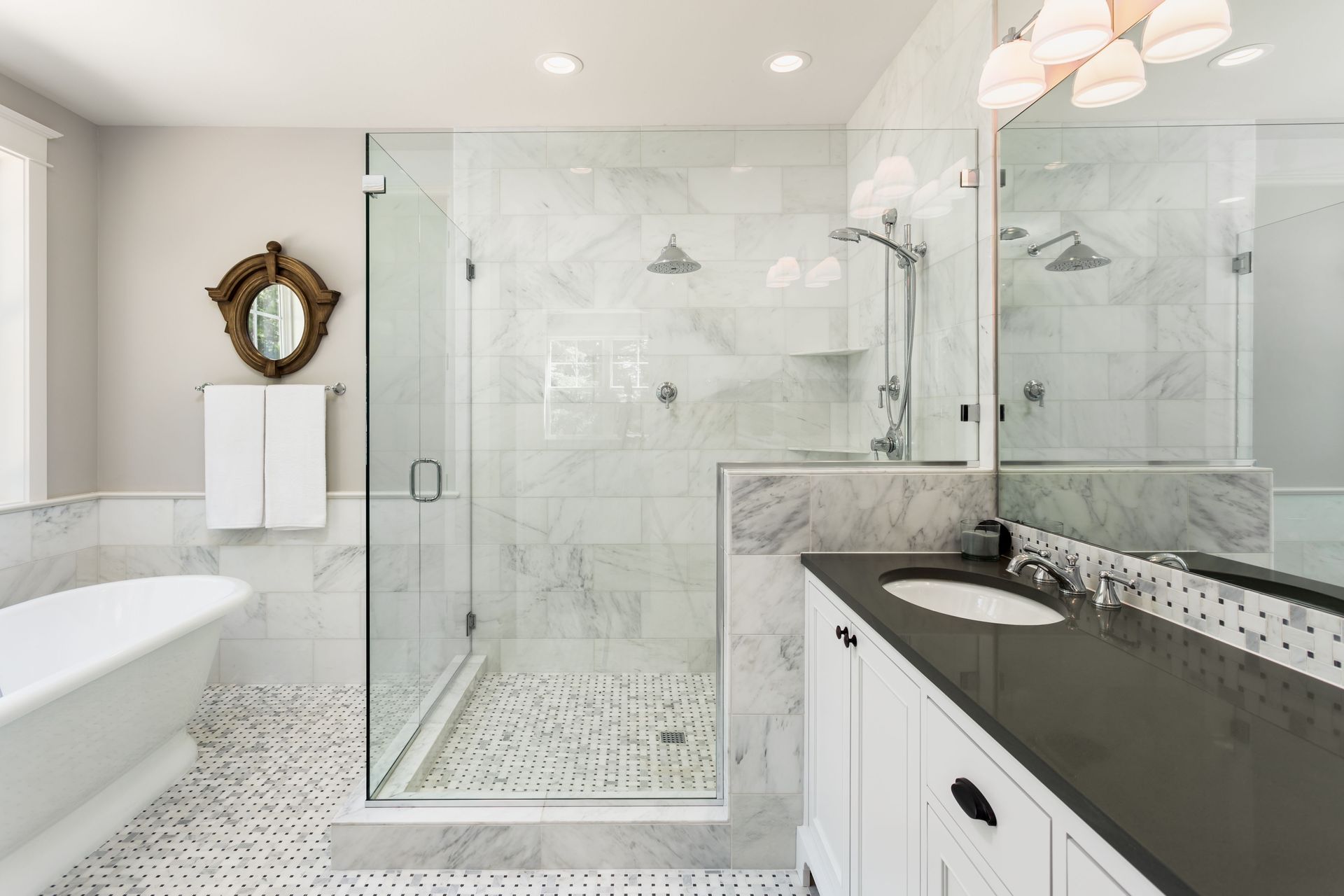
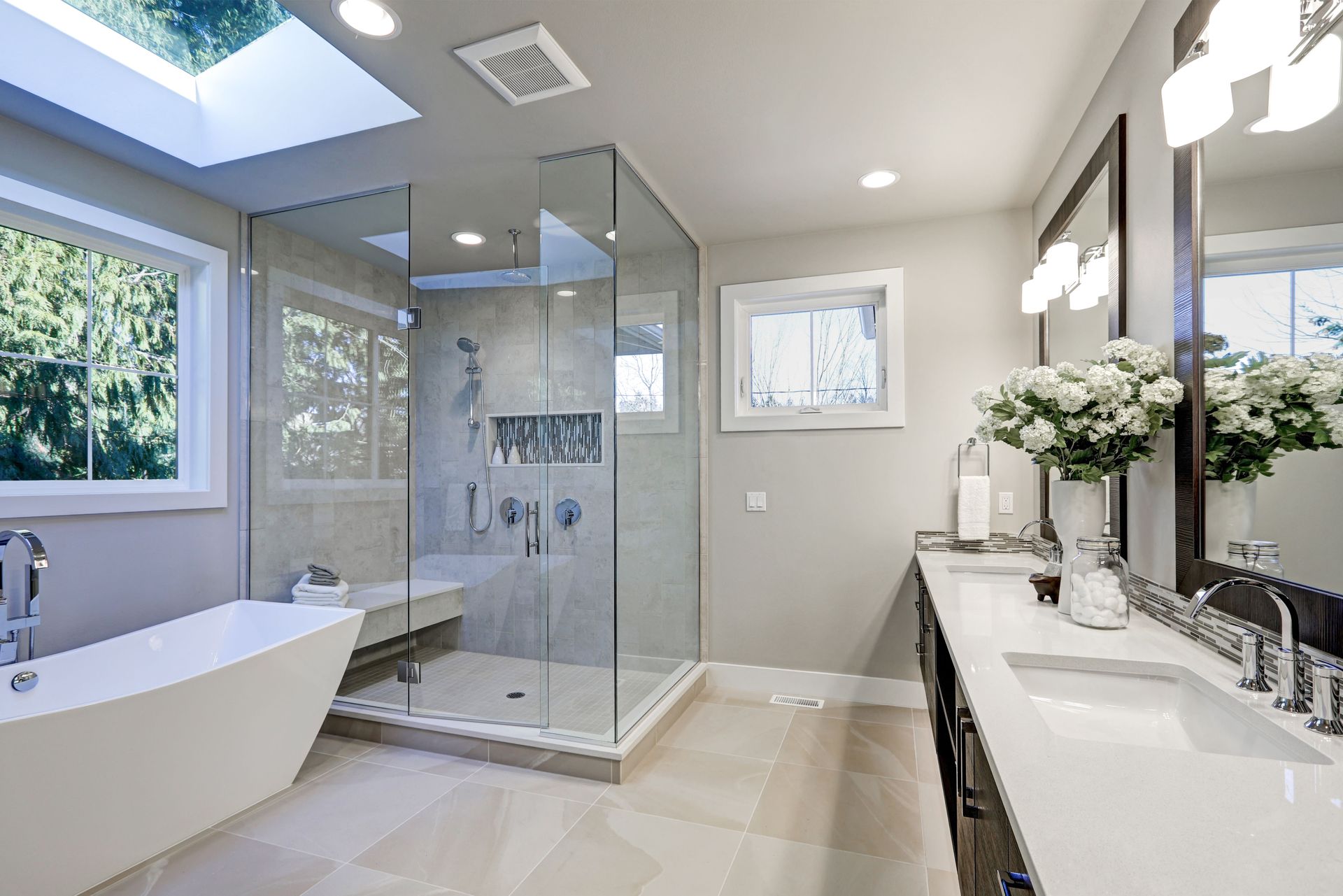
Specific material finishes alter perceived room depth by bouncing available natural and artificial light. Polished porcelain tiles, glass mosaic backsplashes, and glossy ceramic wall claddings reflect ambient rays across every corner. Frameless glass shower enclosures eliminate visual barriers, preserving clean sightlines from wall to wall. Combining glazed tile surfaces with bright stone countertops amplifies illumination and adds durable luxury to compact layouts.
Creating Captivating Focal Points
Introducing curated architectural accents guides the eye across a room, creating intentional visual balance. A bold patterned accent wall positioned behind a floating vanity establishes depth, drawing attention directly toward the back wall. Sculptural mirrors and textured natural stone backsplashes provide visual substance without cluttering floor area. Skilled bathroom remodelers frequently install decorative niches with accent lighting to draw interest away from narrow walls and emphasize intentional craft.
Mounting Sleek Wall Faucets
Wall-mounted faucets represent an ingenious method for conserving limited countertop area. Elevating the faucet assembly directly above the sink basin allows homeowners to select shallower vanity tops without sacrificing handwashing room. Modern minimalist aerators regulate stream velocity, minimizing splash while saving gallons during daily routines. Sleek metal spouts mounted on tiled backsplashes create streamlined focal points that simplify cleaning.
Designing Concealed Built-In Storage
Custom hidden storage systems resolve chronic clutter challenges common to smaller floor plans. Mirrored medicine cabinets recessed flush into drywall provide extensive medicine and toiletry storage without protruding outward. Pullout vertical pantries nestled between wall studs turn narrow cavities into practical linen organizers. Partnering with seasoned bathroom remodelers allows homeowners to uncover underutilized wall framing pockets for custom shelving solutions.
Automating Ambient Bathroom Illumination
Automated lighting fixtures heighten personal convenience while reducing everyday electrical waste. Discreet occupancy sensors activate soft illumination upon entry, serving as low-glare navigation aids during night hours. Smart dimmers program daylight transitions, cycling from energizing morning hues to calming evening ambient warmth. Connected lighting networks interface with central home automation hubs, streamlining residential energy controls.
Regulating Humidity with Sensors
Automated ventilation controls protect structural integrity by eliminating moisture buildup before mildew forms. Smart wall switches equipped with relative humidity sensors trigger ceiling exhaust fans automatically when condensation rises. These systems run fans precisely until air dries out, conserving energy compared to manual timers. Proper ventilation safeguards painted drywall, cabinetry, and ceiling joints from costly structural moisture damage.
Monitoring Household Water Usage
Connected monitoring components offer valuable insight into real-time domestic resource consumption. Inline water flow meters identify persistent pipe leaks behind walls, safeguarding homes against catastrophic flooding. Intelligent faucet adapters regulate pressure dynamically based on task demands, curbing excess consumption. Integrating smart tracking applications promotes mindful household habits, lowering utility bills while supporting local conservation programs.
Installing Radiant Floor Heating
Radiant electric floor heating provides luxurious comfort while removing the need for space-consuming baseboard radiators. Ultra-thin heating mats lay directly beneath tile flooring, radiating gentle warmth evenly throughout floor surfaces. Programmable floor thermostats schedule warming cycles around morning routines, operating only during peak usage hours. Warmed tile surfaces dry up residual puddles quickly, reducing slipping risks while delivering consistent comfort.
Tackling Manageable Weekend Projects
Strategic DIY tasks allow homeowners to elevate interior finishes without exceeding renovation budgets. Painting dated vanity cabinets with moisture-resistant enamel completely refreshes bath aesthetics. Installing peel-and-stick decorative tile backsplashes behind mirrors introduces fresh textures without messy mortar work. Updating drawer pulls and towel rings with modern matte-black hardware modernizes older fixtures affordably.
Sourcing Quality Budget Materials
Careful material sourcing protects project budgets without sacrificing long-term product durability. Shopping closeout sales and regional overstock outlets yields premium designer tiles and quartz remnants at deep discounts. Online architectural clearance hubs offer significant savings on discontinued designer faucets and sinks. Securing surplus building materials enables homeowners to incorporate luxury finishes while keeping overall material costs manageable.
Customizing Small Spaces Affordably
Affordable customization techniques personalize simple designs into inviting sanctuaries. Hanging framed botanical prints or wall murals creates engaging focal points across plain drywall. Coordinating matching ceramic dispensers, woven wastebaskets, and plush towels establishes visual harmony. Small styling investments unify disparate elements, making standard contractor finishes look thoughtfully considered.
Collaborating with certified building specialists ensures structural projects meet safety codes and municipal standards. Licensed bathroom remodelers manage trade coordination, plumbing permits, structural framing, and waterproofing with proven skill. Working alongside reputable trade teams prevents costly installation errors while streamlining project milestones. Expert construction practices guarantee that custom installations remain durable, secure, and beautiful for decades.
Maximizing a compact layout requires intentional floor planning, efficient storage systems, and expert craftsmanship. Integrating smart technology, space-saving fixtures, and reflective materials transforms cramped quarters into balanced retreats. When you are ready to expand your home's functionality and elevate everyday living with a flawless custom design, turn your vision into reality with Radical Renovations.


Share On: